- ...
cases
![[*]](file:/usr/share/latex2html/icons/footnote.png)
- By `difficult' we mean the time measure of
computational complexity, that is, the length of time would be needed for a standard universal computer to
perform a task.
.
.
.
.
.
.
.
.
.
.
.
.
.
.
.
.
.
.
.
.
.
.
.
.
.
.
.
.
.
.
- ...

- The notation means the existence
a polynomial-time algorithm
 for solving
  -complete problems. That is merely a theoretical possibility.
.
.
.
.
.
.
.
.
.
.
.
.
.
.
.
.
.
.
.
.
.
.
.
.
.
.
.
.
.
.
- ... known
- For example, while predicting call rates we know in advance such "external" factors as holidays, vacation times, e.t.c.
.
.
.
.
.
.
.
.
.
.
.
.
.
.
.
.
.
.
.
.
.
.
.
.
.
.
.
.
.
.
- ... nonlinear
- Assuming the linear activation function
 the ANN model is reduced to the standard
Auto-Regression model.
the ANN model is reduced to the standard
Auto-Regression model.
.
.
.
.
.
.
.
.
.
.
.
.
.
.
.
.
.
.
.
.
.
.
.
.
.
.
.
.
.
.
- ... neuron
- The output of the traditional activation function is supposed to be non-negative.
.
.
.
.
.
.
.
.
.
.
.
.
.
.
.
.
.
.
.
.
.
.
.
.
.
.
.
.
.
.
- ... ARFIMA
- Often the alternative title ARIMA(p,d,q) is used.
.
.
.
.
.
.
.
.
.
.
.
.
.
.
.
.
.
.
.
.
.
.
.
.
.
.
.
.
.
.
- ...

- Note
that, contrary to the traditional practice, we do not assume the time series to be stationary. We allow the degree of
integration of the series to be determined by direct estimation of the
differencing parameter,
 .
.
.
.
.
.
.
.
.
.
.
.
.
.
.
.
.
.
.
.
.
.
.
.
.
.
.
.
.
.
.
.
- ...\space
- The same reasoning applies to
the log-likelihood function, too.
.
.
.
.
.
.
.
.
.
.
.
.
.
.
.
.
.
.
.
.
.
.
.
.
.
.
.
.
.
.
- ... otherwise
- Note that describing a real data one needs diverse structures including a number of different models, not just one specific model as in this illustrative example.
.
.
.
.
.
.
.
.
.
.
.
.
.
.
.
.
.
.
.
.
.
.
.
.
.
.
.
.
.
.
- ... unstable
- The parameters are regarded as unstable if they change to much in different data sets.
.
.
.
.
.
.
.
.
.
.
.
.
.
.
.
.
.
.
.
.
.
.
.
.
.
.
.
.
.
.
- ...

- The elimination of both continuous parameters
 and
and  is considered unfeasible.
.
.
.
.
.
.
.
.
.
.
.
.
.
.
.
.
.
.
.
.
.
.
.
.
.
.
.
.
.
.
- ... bank
- A small Lithuanian bank.
.
.
.
.
.
.
.
.
.
.
.
.
.
.
.
.
.
.
.
.
.
.
.
.
.
.
.
.
.
.
- ... ones
- Meaning that the sum (1.45) of the ARFIMA model is a non-linear function of the parameters
 and .
and .
.
.
.
.
.
.
.
.
.
.
.
.
.
.
.
.
.
.
.
.
.
.
.
.
.
.
.
.
.
.
- ...

- Only two parameters
 and
and  are in . The reason is uncertainty of , therefore the optimization of is repeated several times at different "scenarios" .
.
.
.
.
.
.
.
.
.
.
.
.
.
.
.
.
.
.
.
.
.
.
.
.
.
.
.
.
.
.
- ... probabilities
- Estimated using the Monte Carlo techniques described in the previous chapter.
.
.
.
.
.
.
.
.
.
.
.
.
.
.
.
.
.
.
.
.
.
.
.
.
.
.
.
.
.
.
- ... server
- There are no reserved waiting places for
the calls
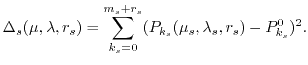 , thus the symbols
  are omitted.
.
.
.
.
.
.
.
.
.
.
.
.
.
.
.
.
.
.
.
.
.
.
.
.
.
.
.
.
.
.
- ... SE
- While predicting call rates, we call the external factors as "Special Events" (SE).
.
.
.
.
.
.
.
.
.
.
.
.
.
.
.
.
.
.
.
.
.
.
.
.
.
.
.
.
.
.
- ... rate
- In vector predictions that is an average call rate
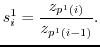 .
.
.
.
.
.
.
.
.
.
.
.
.
.
.
.
.
.
.
.
.
.
.
.
.
.
.
.
.
.
.
.
- ... situation
- Meaning that in the data file there exists a periods with the identical combination of impacts as that of the new and the present ones
.
.
.
.
.
.
.
.
.
.
.
.
.
.
.
.
.
.
.
.
.
.
.
.
.
.
.
.
.
.
- ... available
- If an identical pair of periods to the pair of the present and the next on can be found.
.
.
.
.
.
.
.
.
.
.
.
.
.
.
.
.
.
.
.
.
.
.
.
.
.
.
.
.
.
.
- ... regarded
- In section 2.12 the terms "one-step" and "multi-step" were used instead of "scalar" and "vector".
.
.
.
.
.
.
.
.
.
.
.
.
.
.
.
.
.
.
.
.
.
.
.
.
.
.
.
.
.
.