- ...
\let
-
.
.
.
.
.
.
.
.
.
.
.
.
.
.
.
.
.
.
.
.
.
.
.
.
.
.
.
.
.
.
- ...\space
![[*]](footnote.png)
- The favorable exceptions are the
Markovian processes including the Wiener one. Extending the
Wiener process to
 the Markovian property disappears.
.
.
.
.
.
.
.
.
.
.
.
.
.
.
.
.
.
.
.
.
.
.
.
.
.
.
.
.
.
.
- ... randomization
- The randomization
means that a decision depends on some random variable included
into an algorithm deliberately.
.
.
.
.
.
.
.
.
.
.
.
.
.
.
.
.
.
.
.
.
.
.
.
.
.
.
.
.
.
.
- ...#tex2html_wrap_inline379#
- Meaning that a randomization is
applied. For example:
- generate an uniformly distributed
random number ![$\xi \in [0,1]$](img85.gif)
- take a decision  if
if  , where
  is an increasing function of
  and
and
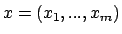 is a parameter vector.
.
.
.
.
.
.
.
.
.
.
.
.
.
.
.
.
.
.
.
.
.
.
.
.
.
.
.
.
.
.
- ... possible
- In this case the solution time is inversely proportional to the number of parallel processors.
.
.
.
.
.
.
.
.
.
.
.
.
.
.
.
.
.
.
.
.
.
.
.
.
.
.
.
.
.
.
- ... outperform
- In terms of
average errors.
.
.
.
.
.
.
.
.
.
.
.
.
.
.
.
.
.
.
.
.
.
.
.
.
.
.
.
.
.
.
- ...
problems
- No polynomial time algorithm has been found for
solving the NP-complete problems. No proof is known that these
problems cannot be solved in polynomial time.
.
.
.
.
.
.
.
.
.
.
.
.
.
.
.
.
.
.
.
.
.
.
.
.
.
.
.
.
.
.
- ...
probability
- That can be understood as a lottery with the probability
 to win a collection
  . This lottery can
be carried out by generating a random number
. This lottery can
be carried out by generating a random number  uniformly
distributed in
uniformly
distributed in ![$[0,1]$](img129.gif) and by selecting a collection if
and by selecting a collection if  .
.
.
.
.
.
.
.
.
.
.
.
.
.
.
.
.
.
.
.
.
.
.
.
.
.
.
.
.
.
.
.
- ... feasible
-
Satisfying inequality (2.2).
.
.
.
.
.
.
.
.
.
.
.
.
.
.
.
.
.
.
.
.
.
.
.
.
.
.
.
.
.
.
- ... list
- Initially the starting list includes all
the objects
.
.
.
.
.
.
.
.
.
.
.
.
.
.
.
.
.
.
.
.
.
.
.
.
.
.
.
.
.
.
- ...#tex2html_wrap_inline1032#
- The
algorithm is implemented in C++ and Java in the files
 and
and
 correspondingly (see section 4 for
details).
correspondingly (see section 4 for
details).
.
.
.
.
.
.
.
.
.
.
.
.
.
.
.
.
.
.
.
.
.
.
.
.
.
.
.
.
.
.
- ... feasible
- Assume for simplicity that all
the non feasible collections are eliminated automatically.
.
.
.
.
.
.
.
.
.
.
.
.
.
.
.
.
.
.
.
.
.
.
.
.
.
.
.
.
.
.
- ...#tex2html_wrap_inline1208#
- If by chance the same mutant
 will be selected then repeat the selection
procedure.
will be selected then repeat the selection
procedure.
.
.
.
.
.
.
.
.
.
.
.
.
.
.
.
.
.
.
.
.
.
.
.
.
.
.
.
.
.
.
- ... value
- The sign is minus, because by default GMJ
reduces the objective of the Task object.
.
.
.
.
.
.
.
.
.
.
.
.
.
.
.
.
.
.
.
.
.
.
.
.
.
.
.
.
.
.
- ... cost
- Including the direct cost and indirect benefits and losses.
.
.
.
.
.
.
.
.
.
.
.
.
.
.
.
.
.
.
.
.
.
.
.
.
.
.
.
.
.
.
- ... reactors
- Assuming that the sequence of reactors is not uniquely determined by the technological processes.
.
.
.
.
.
.
.
.
.
.
.
.
.
.
.
.
.
.
.
.
.
.
.
.
.
.
.
.
.
.
- ... new
- New means that the city is not visited yet.
.
.
.
.
.
.
.
.
.
.
.
.
.
.
.
.
.
.
.
.
.
.
.
.
.
.
.
.
.
.
- ...
"expensive"
- In a sense of computing time.
.
.
.
.
.
.
.
.
.
.
.
.
.
.
.
.
.
.
.
.
.
.
.
.
.
.
.
.
.
.
- ... REQP
- In later versions a different
algorithm [Schittkowski, 1985] is implemented under the name
NLP.
.
.
.
.
.
.
.
.
.
.
.
.
.
.
.
.
.
.
.
.
.
.
.
.
.
.
.
.
.
.
- ... formulae
- in LBAYES those
formulae are included in the algorithm, therefore no additional
reduction is needed.
.
.
.
.
.
.
.
.
.
.
.
.
.
.
.
.
.
.
.
.
.
.
.
.
.
.
.
.
.
.
- ...#tex2html_wrap_inline2751#
- This is the well known Rastrigin test function
[Rastrigin, 1968].
.
.
.
.
.
.
.
.
.
.
.
.
.
.
.
.
.
.
.
.
.
.
.
.
.
.
.
.
.
.
- ...
BACKSPACE
- One should use the 'xmodmap' command to adapt
the keymap, if the BACKSPACE key is not working.
.
.
.
.
.
.
.
.
.
.
.
.
.
.
.
.
.
.
.
.
.
.
.
.
.
.
.
.
.
.
- ...
objects
- These objects are implemented in the JDK1.2 version (GMJ2).
.
.
.
.
.
.
.
.
.
.
.
.
.
.
.
.
.
.
.
.
.
.
.
.
.
.
.
.
.
.
- ...
JDK1.0.x
- The command 'appletviewer' may not
work properly, if one uses JDK1.1 or higher. That is a
disadvantage of GMJ0.
.
.
.
.
.
.
.
.
.
.
.
.
.
.
.
.
.
.
.
.
.
.
.
.
.
.
.
.
.
.
- ...
'upperBounds'
- zero element defines the first element and
so on.
.
.
.
.
.
.
.
.
.
.
.
.
.
.
.
.
.
.
.
.
.
.
.
.
.
.
.
.
.
.
- ...
correspondingly
- Note that the constructor of class Task
can be deleted if one is satisfied by the default values.
.
.
.
.
.
.
.
.
.
.
.
.
.
.
.
.
.
.
.
.
.
.
.
.
.
.
.
.
.
.
- ...
appletviewers
- For example, by the command
 .
.
.
.
.
.
.
.
.
.
.
.
.
.
.
.
.
.
.
.
.
.
.
.
.
.
.
.
.
.
.
.
- ... times
- These compilers are available in JDK1.1,
too, starting from JDK1.1.7.
.
.
.
.
.
.
.
.
.
.
.
.
.
.
.
.
.
.
.
.
.
.
.
.
.
.
.
.
.
.
- ...
window
- This window can be open by selecting the
 mode on the
  menu.
menu.
.
.
.
.
.
.
.
.
.
.
.
.
.
.
.
.
.
.
.
.
.
.
.
.
.
.
.
.
.
.
- ...
frequency
- Defined by different colors.
.
.
.
.
.
.
.
.
.
.
.
.
.
.
.
.
.
.
.
.
.
.
.
.
.
.
.
.
.
.
- ... Mead
- This is a reduced Flexi version. Only rectangular constraints are implemented.
.
.
.
.
.
.
.
.
.
.
.
.
.
.
.
.
.
.
.
.
.
.
.
.
.
.
.
.
.
.
- ... variables
- Note, that in GMJ2 the
feasible set is given by a user defined
 function.
Therefore, there are no restrictions on the shape of feasible set.
function.
Therefore, there are no restrictions on the shape of feasible set.
.
.
.
.
.
.
.
.
.
.
.
.
.
.
.
.
.
.
.
.
.
.
.
.
.
.
.
.
.
.
- ...
files
- In the "applet.html" file one can list several
 files.
.
.
.
.
.
.
.
.
.
.
.
.
.
.
.
.
.
.
.
.
.
.
.
.
.
.
.
.
.
.
- ... constraints
- By "non-rectangular" we mean constraints defined as a system of linear and
nonlinear equations and inequalities.
.
.
.
.
.
.
.
.
.
.
.
.
.
.
.
.
.
.
.
.
.
.
.
.
.
.
.
.
.
.
- ... value
- The default value is 1.
.
.
.
.
.
.
.
.
.
.
.
.
.
.
.
.
.
.
.
.
.
.
.
.
.
.
.
.
.
.
- ...
multipliers
- Defined by minimizing the Lagrange function
corresponding to each server.
.
.
.
.
.
.
.
.
.
.
.
.
.
.
.
.
.
.
.
.
.
.
.
.
.
.
.
.
.
.
- ... cost
- It is. assumed for
simplicity that the waiting cost is equal to an average waiting
time.
.
.
.
.
.
.
.
.
.
.
.
.
.
.
.
.
.
.
.
.
.
.
.
.
.
.
.
.
.
.
- ... equilibrium
- If the
equilibrium exists.
.
.
.
.
.
.
.
.
.
.
.
.
.
.
.
.
.
.
.
.
.
.
.
.
.
.
.
.
.
.
- ...
- That explains the acronym NLA(p).
.
.
.
.
.
.
.
.
.
.
.
.
.
.
.
.
.
.
.
.
.
.
.
.
.
.
.
.
.
.
- ...#tex2html_wrap_inline6323#
- As defined by expressions
(11.4) and (11.6).
.
.
.
.
.
.
.
.
.
.
.
.
.
.
.
.
.
.
.
.
.
.
.
.
.
.
.
.
.
.
- ... equilibrium
- If the
equilibrium exists.
.
.
.
.
.
.
.
.
.
.
.
.
.
.
.
.
.
.
.
.
.
.
.
.
.
.
.
.
.
.
- ... equilibrium
- If the
equilibrium exists.
.
.
.
.
.
.
.
.
.
.
.
.
.
.
.
.
.
.
.
.
.
.
.
.
.
.
.
.
.
.
- ...#tex2html_wrap_inline6477#
- As defined by expressions
(11.4) and (11.6).
.
.
.
.
.
.
.
.
.
.
.
.
.
.
.
.
.
.
.
.
.
.
.
.
.
.
.
.
.
.
- ... equilibrium
- If the
equilibrium exists.
.
.
.
.
.
.
.
.
.
.
.
.
.
.
.
.
.
.
.
.
.
.
.
.
.
.
.
.
.
.
- ... server
- For
simplicity, it is assumed that "time-is-money" and that a unit of
time cost a unit of money, in the real life cases the
corresponding coefficients should be included
.
.
.
.
.
.
.
.
.
.
.
.
.
.
.
.
.
.
.
.
.
.
.
.
.
.
.
.
.
.
- ...#tex2html_wrap_inline7751#
- The variables
 obtain
different meanings, if one uses mixed strategies. That reduces
the number of symbols. To avoid confusion, the utilities
obtain
different meanings, if one uses mixed strategies. That reduces
the number of symbols. To avoid confusion, the utilities
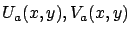 are supplied with the subscript
  . If the
subscript is absent then defines the parameters
. If the
subscript is absent then defines the parameters
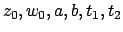 . Otherwise, denotes mixed
strategies.
. Otherwise, denotes mixed
strategies.
.
.
.
.
.
.
.
.
.
.
.
.
.
.
.
.
.
.
.
.
.
.
.
.
.
.
.
.
.
.
- ...custd)
- This means that the
customer balance follows the changes of parameters
 and
and
 almost without delay.
.
.
.
.
.
.
.
.
.
.
.
.
.
.
.
.
.
.
.
.
.
.
.
.
.
.
.
.
.
.
- ... violation
- For example, killing prey.
.
.
.
.
.
.
.
.
.
.
.
.
.
.
.
.
.
.
.
.
.
.
.
.
.
.
.
.
.
.
- ...
detected
- The prey is killed and a poacher is caught.
.
.
.
.
.
.
.
.
.
.
.
.
.
.
.
.
.
.
.
.
.
.
.
.
.
.
.
.
.
.
- ...
violation
- The value of the killed prey.
.
.
.
.
.
.
.
.
.
.
.
.
.
.
.
.
.
.
.
.
.
.
.
.
.
.
.
.
.
.
- ... violation
- For example, stealing goods.
.
.
.
.
.
.
.
.
.
.
.
.
.
.
.
.
.
.
.
.
.
.
.
.
.
.
.
.
.
.
- ...
detected
- Goods are not stolen and the thief is caught.
.
.
.
.
.
.
.
.
.
.
.
.
.
.
.
.
.
.
.
.
.
.
.
.
.
.
.
.
.
.
- ... games
- In the inspector game,
there is no equilibrium in pure strategies if
 and
and  , see (13.68).
.
.
.
.
.
.
.
.
.
.
.
.
.
.
.
.
.
.
.
.
.
.
.
.
.
.
.
.
.
.
- ...
irrelevant
- The fraud is irrelevant, if average winnings
of the partner does not depend on his pure strategy
 , and vice versa
.
.
.
.
.
.
.
.
.
.
.
.
.
.
.
.
.
.
.
.
.
.
.
.
.
.
.
.
.
.
- ... calculations
- One
can see that the calculations do not correspond exactly to the QSE algorithm
because this is an experimental software. The updated software is under development.
.
.
.
.
.
.
.
.
.
.
.
.
.
.
.
.
.
.
.
.
.
.
.
.
.
.
.
.
.
.
- ... objects
- The optimal decision
 is
not unique, any decision satisfying the inequality
is
not unique, any decision satisfying the inequality
 minimizes the expected utility function
  .
.
.
.
.
.
.
.
.
.
.
.
.
.
.
.
.
.
.
.
.
.
.
.
.
.
.
.
.
.
.
.
- ... investments
- The actual
investment is the product of the total investment and the
relative investment, divided by the sum of all the relative
investments.
.
.
.
.
.
.
.
.
.
.
.
.
.
.
.
.
.
.
.
.
.
.
.
.
.
.
.
.
.
.
- ... number
- Different frequencies are is
denoted by different colors.
.
.
.
.
.
.
.
.
.
.
.
.
.
.
.
.
.
.
.
.
.
.
.
.
.
.
.
.
.
.
- ... confident
- Without the "confidence" assumption one should consider stock rates predictions errors, too.
.
.
.
.
.
.
.
.
.
.
.
.
.
.
.
.
.
.
.
.
.
.
.
.
.
.
.
.
.
.
- ... files
- The data file is on the web-sites (see Section 4).
.
.
.
.
.
.
.
.
.
.
.
.
.
.
.
.
.
.
.
.
.
.
.
.
.
.
.
.
.
.
- ... normalization
- Users make the normalization in this software version.
.
.
.
.
.
.
.
.
.
.
.
.
.
.
.
.
.
.
.
.
.
.
.
.
.
.
.
.
.
.
- ... securities
- CD and Stocks.
.
.
.
.
.
.
.
.
.
.
.
.
.
.
.
.
.
.
.
.
.
.
.
.
.
.
.
.
.
.
- ... cases
- By
the term `difficult' we mean the time measure of computational
complexity, that is, the length of time would be needed for a
standard universal computer to do a task.
.
.
.
.
.
.
.
.
.
.
.
.
.
.
.
.
.
.
.
.
.
.
.
.
.
.
.
.
.
.
- ...#tex2html_wrap_inline11397#
- The notation
 means
the existence a polynomial-time algorithm
means
the existence a polynomial-time algorithm  for solving
 -complete problems. That is merely a theoretical
possibility.
-complete problems. That is merely a theoretical
possibility.
.
.
.
.
.
.
.
.
.
.
.
.
.
.
.
.
.
.
.
.
.
.
.
.
.
.
.
.
.
.
- ...
known
- For example, while predicting call rates we know
in advance such "external" factors as holidays, vacation times,
e.t.c.
.
.
.
.
.
.
.
.
.
.
.
.
.
.
.
.
.
.
.
.
.
.
.
.
.
.
.
.
.
.
- ...#tex2html_wrap_inline11677#
- This is true, if the activation function
 is
non-linear. The linear activation function reduces the ANN model
to the standard Auto Regressive (AR)n model.
is
non-linear. The linear activation function reduces the ANN model
to the standard Auto Regressive (AR)n model.
.
.
.
.
.
.
.
.
.
.
.
.
.
.
.
.
.
.
.
.
.
.
.
.
.
.
.
.
.
.
- ... neuron
- The output of the traditional
activation function is supposed to be non-negative.
.
.
.
.
.
.
.
.
.
.
.
.
.
.
.
.
.
.
.
.
.
.
.
.
.
.
.
.
.
.
- ... ARFIMA
- Often the
alternative title ARIMA(p,d,q) is used.
.
.
.
.
.
.
.
.
.
.
.
.
.
.
.
.
.
.
.
.
.
.
.
.
.
.
.
.
.
.
- ...#tex2html_wrap_inline11695#
- Note that, contrary to the
traditional practice, we do not assume the time series to be
stationary. We allow the degree of integration of the series to
be detected by direct estimate of the differentiation parameter
 .
.
.
.
.
.
.
.
.
.
.
.
.
.
.
.
.
.
.
.
.
.
.
.
.
.
.
.
.
.
.
.
- ...
- The same reasoning applies to the log-likelihood
function, too.
.
.
.
.
.
.
.
.
.
.
.
.
.
.
.
.
.
.
.
.
.
.
.
.
.
.
.
.
.
.
- ...\space
- Note that describing a real data
one needs diverse structures including a number of different
models, not just one specific model as in this illustrative
example.
.
.
.
.
.
.
.
.
.
.
.
.
.
.
.
.
.
.
.
.
.
.
.
.
.
.
.
.
.
.
- ...
unstable
- The parameters are considered as unstable if they
change too much in different data sets.
.
.
.
.
.
.
.
.
.
.
.
.
.
.
.
.
.
.
.
.
.
.
.
.
.
.
.
.
.
.
- ...#tex2html_wrap_inline11957#
- The elimination of both continuous parameters
 and
and  is unfeasible.
.
.
.
.
.
.
.
.
.
.
.
.
.
.
.
.
.
.
.
.
.
.
.
.
.
.
.
.
.
.
- ... bank
- A small Lithuanian bank.
.
.
.
.
.
.
.
.
.
.
.
.
.
.
.
.
.
.
.
.
.
.
.
.
.
.
.
.
.
.
- ...
ones
- Meaning that the sum (15.60) of the
ARFIMA model is a non-linear function of the parameters
 and
.
and
.
.
.
.
.
.
.
.
.
.
.
.
.
.
.
.
.
.
.
.
.
.
.
.
.
.
.
.
.
.
.
- ... files
- This operation is not permited by browsers, as usuall.
.
.
.
.
.
.
.
.
.
.
.
.
.
.
.
.
.
.
.
.
.
.
.
.
.
.
.
.
.
.
- ... sales
- Sales
with immediate payment.
.
.
.
.
.
.
.
.
.
.
.
.
.
.
.
.
.
.
.
.
.
.
.
.
.
.
.
.
.
.
- ... sales
- Sales
with delay of payments.
.
.
.
.
.
.
.
.
.
.
.
.
.
.
.
.
.
.
.
.
.
.
.
.
.
.
.
.
.
.
- ... shares
- Shares of company .
.
.
.
.
.
.
.
.
.
.
.
.
.
.
.
.
.
.
.
.
.
.
.
.
.
.
.
.
.
.
- ...#tex2html_wrap_inline12885#
- The balance is negative,
if the buying expences exceed the selling ones.
.
.
.
.
.
.
.
.
.
.
.
.
.
.
.
.
.
.
.
.
.
.
.
.
.
.
.
.
.
.
- ...#tex2html_wrap_inline14052#
- Only two parameters
 and are
in
and are
in  . The reason is uncertainty of , therefore, the
optimization of is repeated several times at different
"scenarios" .
. The reason is uncertainty of , therefore, the
optimization of is repeated several times at different
"scenarios" .
.
.
.
.
.
.
.
.
.
.
.
.
.
.
.
.
.
.
.
.
.
.
.
.
.
.
.
.
.
.
- ...
probability
- Estimated using the Monte Carlo techniques
described in the previous chapter.
.
.
.
.
.
.
.
.
.
.
.
.
.
.
.
.
.
.
.
.
.
.
.
.
.
.
.
.
.
.
- ... server
- There
are no reserved waiting places for the calls
 , thus
the symbols
, thus
the symbols  are omitted.
.
.
.
.
.
.
.
.
.
.
.
.
.
.
.
.
.
.
.
.
.
.
.
.
.
.
.
.
.
.
- ...
problem
- Solution of this problem is difficult, thus,
later on we shall consider some simple cases as illustrations.
.
.
.
.
.
.
.
.
.
.
.
.
.
.
.
.
.
.
.
.
.
.
.
.
.
.
.
.
.
.
- ... (SE)
- While predicting call rates, we call the
external factors as "Special Events" (SE).
.
.
.
.
.
.
.
.
.
.
.
.
.
.
.
.
.
.
.
.
.
.
.
.
.
.
.
.
.
.
- ...
rate
- In vector predictions that is an average call rate
 .
.
.
.
.
.
.
.
.
.
.
.
.
.
.
.
.
.
.
.
.
.
.
.
.
.
.
.
.
.
.
.
- ... situation
- That means, there
exist periods in the data file, with the identical combinations
of impacts. Besides, these combinations are the same as that of
the new and the present periods.
.
.
.
.
.
.
.
.
.
.
.
.
.
.
.
.
.
.
.
.
.
.
.
.
.
.
.
.
.
.
- ...
available
- If a pair of periods, identical to the pair
of the present and the next one, can be found.
.
.
.
.
.
.
.
.
.
.
.
.
.
.
.
.
.
.
.
.
.
.
.
.
.
.
.
.
.
.
- ... prediction"
- In
section 10 the terms "one-step" and "multi-step"
were used instead of "scalar" and "vector."
.
.
.
.
.
.
.
.
.
.
.
.
.
.
.
.
.
.
.
.
.
.
.
.
.
.
.
.
.
.
- ... Monday
- The complete list is for Monday,
 for Tuesday,
  for Wednesday,
  for Thursday, and
 for Friday.
.
.
.
.
.
.
.
.
.
.
.
.
.
.
.
.
.
.
.
.
.
.
.
.
.
.
.
.
.
.
- ... gaps
- A number of gaps in the
current schedule
 .
.
.
.
.
.
.
.
.
.
.
.
.
.
.
.
.
.
.
.
.
.
.
.
.
.
.
.
.
.
.
.
- ... class"
- A gap class is the class
in the teacher gap.
.
.
.
.
.
.
.
.
.
.
.
.
.
.
.
.
.
.
.
.
.
.
.
.
.
.
.
.
.
.
- ... one
- An open class
is the first or the last class for this teacher.
.
.
.
.
.
.
.
.
.
.
.
.
.
.
.
.
.
.
.
.
.
.
.
.
.
.
.
.
.
.
- ... too
- The optimization results depend on the initial
schedules because
there is no possibility to obtain exact solutions in a
limited time.
.
.
.
.
.
.
.
.
.
.
.
.
.
.
.
.
.
.
.
.
.
.
.
.
.
.
.
.
.
.
- ... teachers
- If a teacher covers
several subjects then he/she is represented as several
different "virtual" teachers, feasibility conditions prevents cases
with two or more lessons by the same "physical"
teachers at the same time.
.
.
.
.
.
.
.
.
.
.
.
.
.
.
.
.
.
.
.
.
.
.
.
.
.
.
.
.
.
.
- ...#tex2html_wrap_inline15628#
- If the subject
 is covered by just
one teacher
is covered by just
one teacher  , then
  .
.
.
.
.
.
.
.
.
.
.
.
.
.
.
.
.
.
.
.
.
.
.
.
.
.
.
.
.
.
.
.
- ... class
- This is a normative constraint,
because several lessons may be performed in one class room,
physically.
.
.
.
.
.
.
.
.
.
.
.
.
.
.
.
.
.
.
.
.
.
.
.
.
.
.
.
.
.
.
- ... lessons
- This means two lessons in a raw.
.
.
.
.
.
.
.
.
.
.
.
.
.
.
.
.
.
.
.
.
.
.
.
.
.
.
.
.
.
.
- ... groom
- By the
"successful groom" we mean the groom that a bride marries.
.
.
.
.
.
.
.
.
.
.
.
.
.
.
.
.
.
.
.
.
.
.
.
.
.
.
.
.
.
.
- ... stage
- The meaning of the argument
 of the function
  is defined by the index , for example,
  , if this index is , etc.
.
.
.
.
.
.
.
.
.
.
.
.
.
.
.
.
.
.
.
.
.
.
.
.
.
.
.
.
.
.